13 Published BooksJ. Bryan III
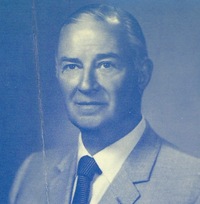
Joseph Bryan III was a journalist and writer who was born into the influential Bryan family of newspaper publishers and industrialists. He edited and wrote for many national publications, including the family-owned Richmond News Leader and Chicago Daily Journal, as well as Parade, Time, Fortune, Town and Country, Reader's Digest, the Saturday Evening Post, and the New Yorker. He wrote numerous articles on travel, humor, and celebrities, some of which evolved into books or reappeared as portions of his books. He served in all three branches of the U.S. military: first as a lieutenant in the field artillery of the army following his graduation from Princeton University in Princeton, New Jersey, then in the navy during World War II (1939–1945) as a lieutenant commander assigned to naval air combat intelligence in the Pacific, and later as a lieutenant colonel in the air force. He also worked for the Central Intelligence Agency from the late 1940s until 1953. He lived in Washington, D.C., and at Brook Hill, an ancestral home in Henrico County.
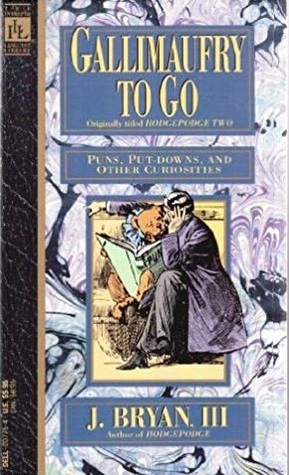
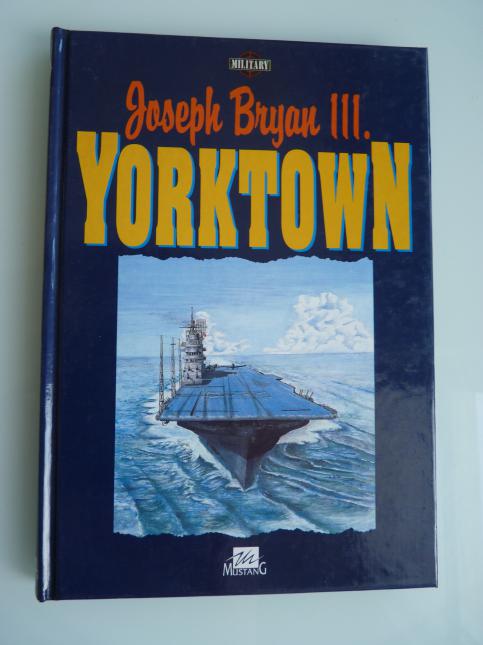
Bryan's principal books included Mission Beyond Darkness (1945), written with Philip Reed about the U.S.S. Lexington in the South Pacific; Admiral Halsey's Story (1947), an authorized biography written with William F. Halsey; Aircraft Carrier (1954), based on a diary Bryan kept while aboard the U.S.S. Yorktown; The World's Greatest Showman: The Life of P. T. Barnum (1956), written for young readers; and The Windsor Story (1979), a dual biography of the duke and duchess of Windsor, written with Charles J. V. Murphy. He also published two volumes of short writings. The Sword over the Mantel: The Civil War and I (1960) features reminiscences and character sketches derived from his youth in Richmond, and Merry Gentlemen (And One Lady) (1985) contains memorable pen portraits of Fred Allen, Robert Benchley, Dorothy Parker, and other personalities of the Algonquin Round Table who flourished during Bryan's years in New York. His last two books, Hodgepodge: A Commonplace Book (1987) and Hodgepodge Two: Another Commonplace Book (1989), reflect his omnivorous reading, his love of travel, and his sense of humor.