11 Published BooksBrad Gilbert
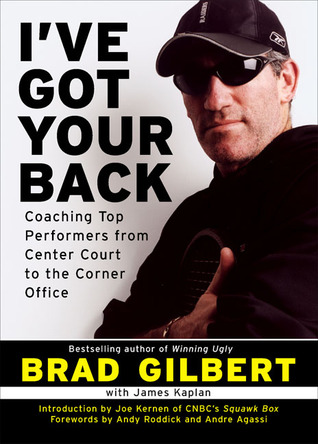
Brad Gilbert is an American former professional tennis player, influential coach, author, and commentator whose analytical approach to the sport has shaped the careers of numerous top athletes. Raised in California, he developed a reputation early on for his competitive spirit and strategic clarity rather than relying on raw power, a distinction that defined both his playing style and later his coaching philosophy. Turning professional in the early 1980s, he accumulated 20 ATP singles titles and achieved a career-high ranking of world No. 4, marking him as one of the most consistently formidable players of his era. His success was built on intelligent point construction, mental discipline, and an ability to exploit opponents’ weaknesses, qualities that earned him respect throughout the tennis community. After stepping away from full-time competition, Gilbert became one of the sport’s most sought-after coaches. He worked with Andre Agassi during a career resurgence that resulted in multiple major titles and a return to the No. 1 ranking. He later coached Andy Roddick to a US Open championship and contributed to the development of several other notable players, including Andy Murray, Kei Nishikori, and Coco Gauff. His coaching is distinguished by practical problem-solving, psychological resilience, and an emphasis on winning through adaptability rather than style alone. Gilbert also built a prominent media and literary career. As a longtime ESPN analyst, he provides commentary grounded in clear tactical breakdowns, often emphasizing what players need to adjust in real time. His books, including Winning Ugly and I’ve Got Your Back, articulate his belief that understanding the mental and strategic layers of the game is as crucial as physical training. Widely recognized for his contributions, Gilbert has been inducted into multiple halls of fame and continues to lecture, consult, and teach within the sport. His legacy extends beyond match results, influencing generations of players and coaches who embrace the idea that success often depends not on who hits the best shots, but on who thinks the smartest, prepares the hardest, and competes with the greatest resilience.