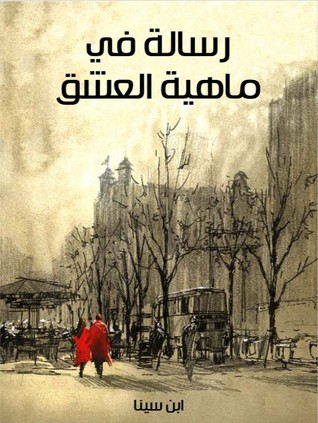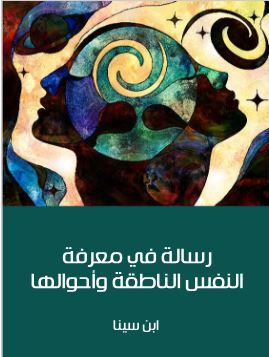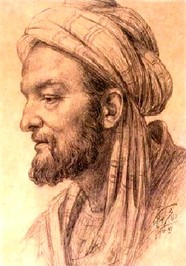
315 Published BooksAvicenna
(Arabic: ابن سينا)
(Persian: ابوعلی سینا، پورسینا)
(Greek: Aβιτζιανός, Avitzianós)
Europeans used
Canon of Medicine
, a standard textbook of noted Persian physician and Neoplatonist philosopher Avicenna, also ibn Sina, fully named Abu Ali al-Husain ibn Abdullah ibn Sina, until the 17th century.
Abū ‘Alī al-Ḥusayn ibn ‘Abd Allāh ibn Sīnā, known more commonly as Pour Sina but mostly in English under Avicenna, his Latinized name, a foremost polymath of his time, originated. He also qualifies as an astronomer, chemist, geologist, Hafiz, logician, paleontologist, mathematician, Maktab teacher, physicist, poet, and scientist.
Ibn Sīnā studied under a named Koushyar. He wrote almost four hundred fifty treatises on a wide range of subjects; two hundred forty works survive. His most famous works include
The Book of Healing
, a vast scientific encyclopedia at many medieval universities. The universities of Montpellier and Louvain used his books as late as 1650.
Ibn Sīnā provides a complete system according to the principles of Galen and Hippocrates.